
http://www.slideshare.net/MichaelLangan/slideshelf
Summary:
Anaphylaxis is a severe medical emergency that if not treated quickly and appropriately can be fatal. It occurs unexpectedly and may progress rapidly in patients of all ages, but most often in the young and otherwise healthy. The most common cause of anaphylaxis is food allergy, especially to peanuts, which is increasing in prevalence. Rapid diagnosis is essential and immediate injection of intramuscular epinephrine is the treatment of choice, the response to which is often dramatic and potentially life saving. The early injection of epinephrine is the most important factor in anaphylaxis outcome. People who survive near fatal anaphylactic reactions receive intramuscular injections promptly while those who die do not. Death from anaphylaxis occurs most often in teenagers and young adults and is directly related to receiving injected epinephrine too late, inaccurately (outside the muscle), or not at all. Anaphylaxis most often occurs unexpectedly and in the absence of a trained health care professional. Because exposure is unpredictable the reaction may occur quickly and the patient may not be near medical help at the time of exposure, patients who are subject to severe anaphylaxis must carry epinephrine at all times. It is also necessary that the patient be able to self -administer the epinephrine during an anaphylactic attack.
The EpiPen was introduced in 1980 and currently dominates the market. Although there are other brands of auto-injector, past and present, the design is essentially the same. These auto-injectors are designed as a tubular device with a spring activated concealed needle that, when triggered, springs forward to deliver a dose of epinephrine. The EpiPen and Epicene Jr. contain 0.3 and 0.15 mg of epinephrine respectively and are designed for single dose intramuscular injection for emergency treatment of anaphylaxis.
Recent studies indicate a number of problems with the Epicene that are addressed below. The Epicene is difficult to use, can only be used once, has only two fixed doses of epinephrine and is considered burdensome. Many patients are noncompliant with the EpiPen and do not carry it with them at all times for various reasons including problems with size shape and appearance. It has a counter-intuitive design that can promote accidental misfiring into a digit. The needle length of the EpiPen is not sufficient for intramuscular injection in up to one-third of children and adults and in these individuals the epinephrine is delivered subcutaneously rather than intramuscularly. Subcutaneous epinephrine absorption is delayed and can result in an adverse outcome as dose, timing, and absorption of epinephrine are of paramount importance in anaphylaxis outcome.
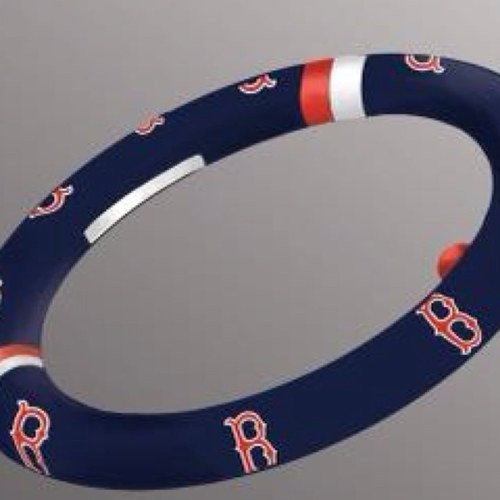
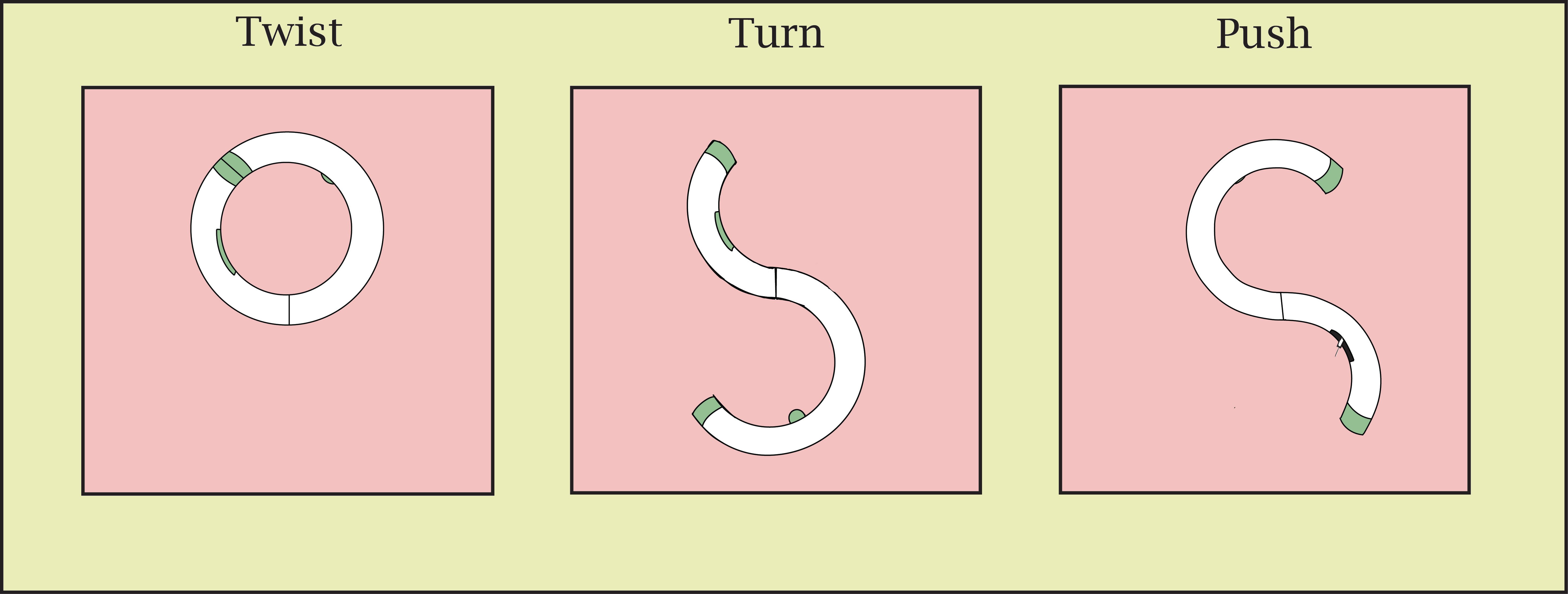 It would be desirable to provide a portable and easy to use auto-injector for rapid intramuscular injection of epinephrine. We describe an epinephrine auto-injector that is also a fashion accessory. The EpiBracelet is an auto-injector that is designed for portability, ease of use, and safety. The EpiBracelet consists of two semi-circular plastic hollow arms connected by a rotating hinge. The bracelet arms are of unequal length with the shorter arm housing the epinephrine needle injection mechanism and the longer arm containing the trigger mechanism. The epinephrine is contained in a removable unit that is inserted into the tubular arm of the bracelet and locked into the bracelet with a cap. This removable unit, the EpiPod, contains a measured dose of epinephrine and the needle injector unit. In order to use the Epibracelet for injection one of the arms must be rotated 180 degrees and will then lock in place. The smaller of the two arms is designed to conform to the curves of the vastus lateralis muscle of the thigh enabling the patient, or first responder, to easily target the injection area. The device is battery operated and to prevent accidental misfiring the circuit from the trigger mechanism to activate the injection is only complete when the arm is locked in place at 180 degrees.
 Anaphylaxis remains an important and avoidable cause of death. The EpiPen has a number of problems in its form, function, and appeal. These problems contribute to incorrect use, misuse, not carrying the unit as prescribed (non-compliance), and can result in an adverse outcome including death. Flawed design of medication delivery devices promotes user error which can result in adverse outcomes. The Epibracelet is designed with the user in mind and is simple to use with only three steps involved, Twist, Turn, and Press. This system will reduce accidental injection because the steps are intuitive and in order to activate the trigger mechanism the Epibracelet must be fully extended at 180 degrees. The EpiPods can also be manufactured with more appropriate weight and age adjusted as opposed to the current fixed doses in the EpiPen. The EpiBracelet improves auto-injector form and function, but is also fashionable. Worn as a bracelet or attached to a backpack or purse strap it is designed as an attractive accessory that also just happens to be a life saving medical device.
Read more at Disrupted Physician


 Cathy
Cathy chulai1968
 Truth Prevailing
 Publius Huldah
 Freedom Rider
 kathleen
 radioroger2015
 revaustinmiles
 truckjunkie